Introduction
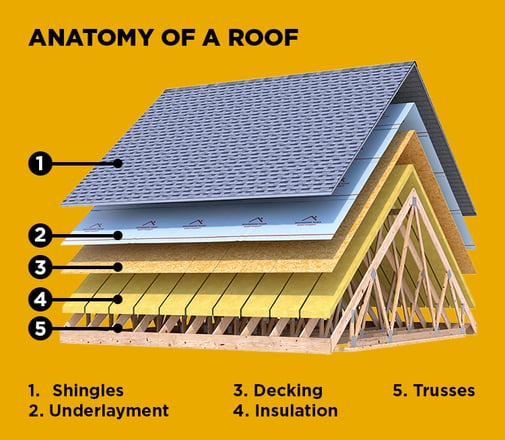
Your roof is one of the most essential components of your home, protecting you and your belongings from the elements. Over time, however, wear and tear can cause damage, leading to leaks, missing shingles, or structural issues. In this guide, we'll cover common roofing problems, how to identify them, and the best ways to repair and maintain your roof.
1. Common Roofing Problems
Understanding common roofing issues is the first step in identifying when repairs are necessary.
1.1 Leaks
One of the most common roofing issues is a leak. Leaks can occur due to damaged or missing shingles, improper flashing, or wear around vents and chimneys. If you notice water stains on your ceiling or walls, your roof may need immediate attention.
1.2 Missing Shingles
Strong winds, heavy rains, or aging roofs can cause shingles to loosen or fall off entirely. Missing shingles leave your roof vulnerable to water damage, so they need to be replaced as soon as possible.
1.3 Damaged Flashing
Flashing, typically found around chimneys, vents, and skylights, prevents water from seeping into your home. Over time, flashing can deteriorate or become damaged, leading to leaks and other issues.
1.4 Clogged Gutters
Clogged gutters can cause water to pool on the roof, leading to mold growth, rot, and even structural damage. Cleaning your gutters regularly is an important part of roof maintenance.
2. How to Identify Roofing Issues
Before diving into repairs, you need to inspect your roof thoroughly.
2.1 Check for Water Stains
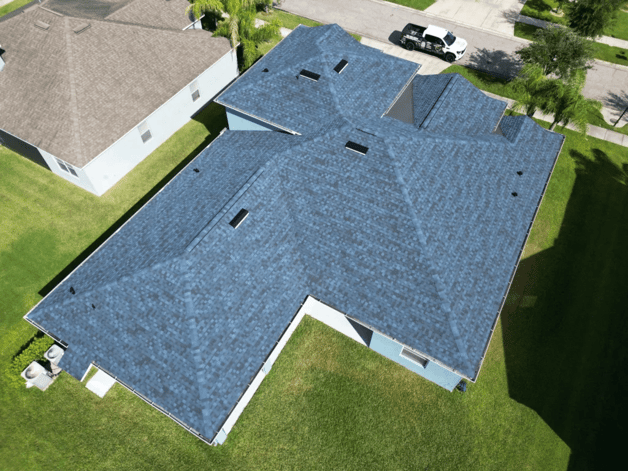
Look for water stains on your ceilings or walls, especially in areas around chimneys, vents, or skylights. Water stains are a clear sign that there’s a leak in the roof.
2.2 Inspect Shingles
Check for missing or damaged shingles by looking at your roof from the ground. If you can safely access your attic, check for daylight or water stains, which may indicate issues with the roof.
2.3 Inspect Flashing
Look for any signs of wear or damage around chimneys, skylights, and vents. Flashing should be intact and free of cracks to prevent water intrusion.
2.4 Clean Your Gutters
Regularly clean your gutters to prevent clogs and ensure that water flows freely. This helps reduce the risk of water pooling on the roof and causing damage.
3. DIY Roofing Repairs
While some roofing problems require professional help, there are certain issues you can address yourself.
3.1 Fixing Small Leaks
If you spot a small leak and the roof is easily accessible, you may be able to patch it with roofing cement. Apply the cement to the leak area and cover it with a patch of roofing material. However, this is a temporary fix, and a professional inspection is recommended.
3.2 Replacing Missing Shingles
Replacing missing shingles is a simple task if you have the right tools. Lift the surrounding shingles, remove the damaged one, and install a new one with roofing nails and adhesive.
3.3 Sealing Flashing
If your flashing is damaged, you can use roofing sealant to reseal the edges. For more extensive flashing damage, consider calling a professional to replace it.
4. When to Call a Professional
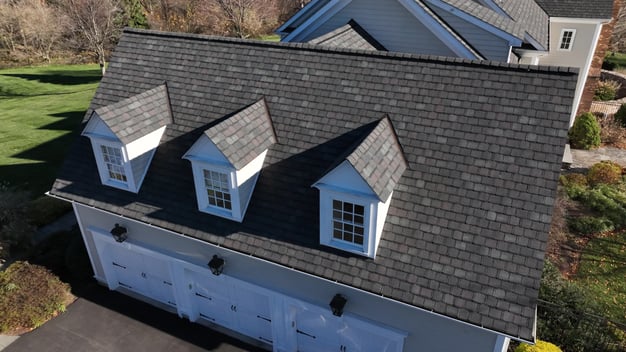
Some roofing repairs, such as structural damage, extensive leaks, or problems with the underlying roofing material, require professional attention. Here are some situations where you should contact a roofing contractor:
-
Widespread damage: If the roof has significant damage, such as missing shingles, large leaks, or structural issues, a professional should inspect and repair it.
-
Difficulty accessing the roof: If your roof is steep, high, or hard to access, it’s safer to leave repairs to professionals.
-
Underlying issues: If you’re unsure about the cause of the damage, a professional roofing contractor can provide a thorough inspection.
5. Roof Maintenance Tips
Proper maintenance can extend the life of your roof and prevent costly repairs down the road.
5.1 Regular Inspections
Have your roof inspected at least once a year to catch early signs of damage. Inspections are especially important after severe weather events like storms or heavy snow.
5.2 Clean Gutters
Keep gutters clean and free from debris to ensure proper water drainage and prevent water from pooling on the roof.
5.3 Trim Trees
Trim any overhanging branches that could damage your roof during high winds or storms. Branches can also clog gutters, leading to water damage.
5.4 Address Issues Quickly
Don’t delay when you notice roofing problems. Small issues can quickly turn into major problems, leading to costly repairs.
6. Cost of Roof Repairs
The cost of roofing repairs varies depending on the severity of the damage, the materials used, and the location. Here’s a general breakdown of repair costs:
-
Small leaks or shingle replacement: $200–$500
-
Damaged flashing repair: $300–$600
-
Full roof replacement: $5,000–$10,000+ (depending on roof size and material)
It’s a good idea to get quotes from multiple roofing contractors to ensure you're getting a fair price.
Conclusion
Your roof is a critical part of your home, and keeping it in good shape is essential for your safety and comfort. By understanding common roofing issues, performing regular inspections, and addressing problems quickly, you can prevent major damage and extend the lifespan of your roof. If you're ever in doubt, don’t hesitate to call a professional roofer to ensure the job is done right.
If you're experiencing roofing problems or need help with repairs, don't wait until it’s too late. Contact Us today for a free roof inspection and expert repair services!