Skip to content
|
Special Promotion
Ultimate Discount
|
55% OFF
|
Special Promotion
Ultimate Discount
|
55% OFF
|
Special Promotion
Ultimate Discount
|
55% OFF
|
Special Promotion
Ultimate Discount
|
55% OFF
|
Special Promotion
Ultimate Discount
|
55% OFF
|
Special Promotion
Ultimate Discount
|
55% OFF

Doors Type Storm

A protective layer for your entry—ventilation when you want it, a buffer against weather when you don't.
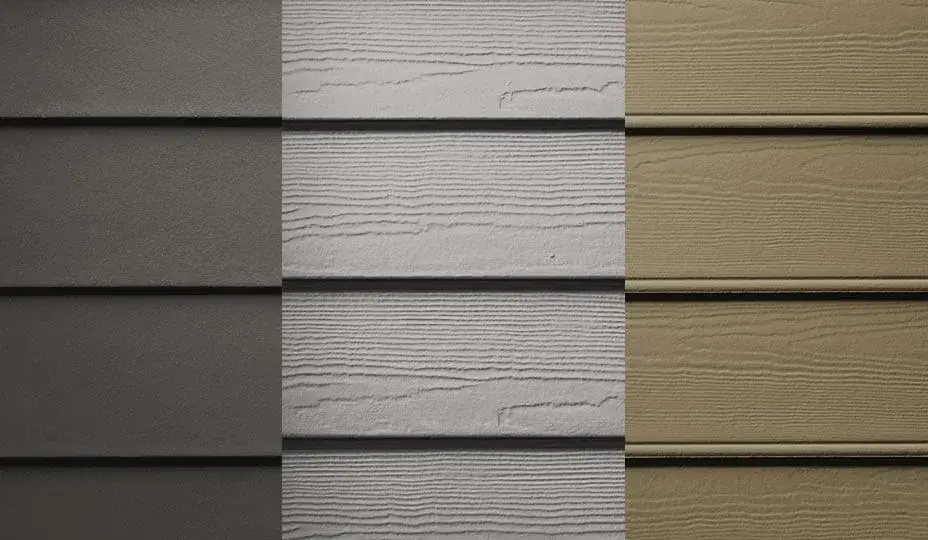
RS26489_JamesHardie_Shot05_022-scr

What Do Storm Doors Actually Do?
A storm door sits in front of your main entry door. Think of it as an extra layer between your home and the weather outside. The glass or screen panel lets light in and gives you options for airflow without exposing your main door to rain, snow, wind, or direct sun all year long.
 
Here's how most people use them: during warmer months, you swap in the screen panel or roll down a retractable screen to let fresh air through while keeping bugs out. When cold weather hits, the glass panel goes back in to create a buffer of air between the two doors. That air pocket helps reduce drafts and keeps your entryway a bit warmer.
 
Storm doors also give you a barrier when you answer the door. You can open your main door to talk to someone without fully exposing your home. For homeowners in Canton, Ann Arbor, and Toledo, that sense of separation adds a layer of comfort—especially if you're not expecting visitors.
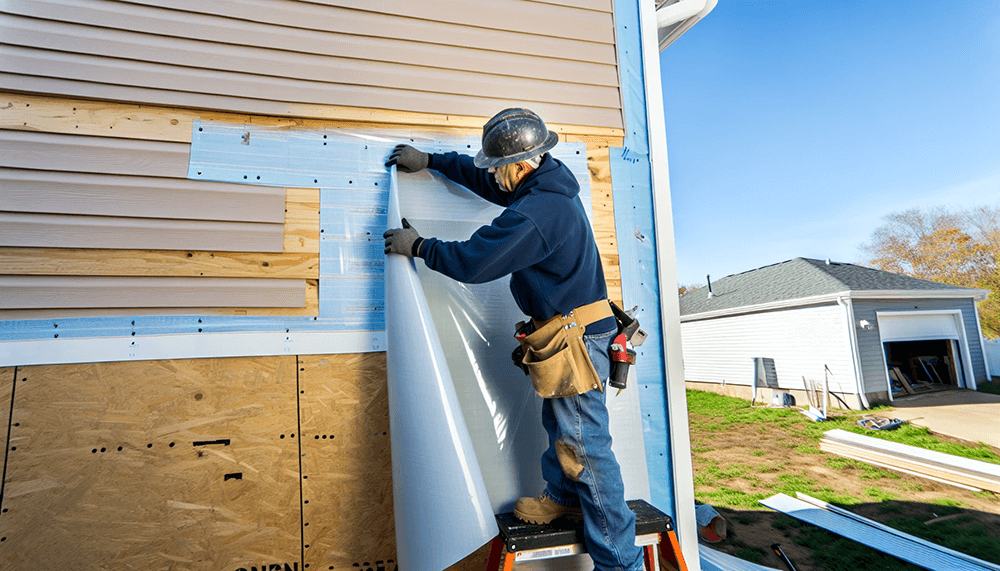
neopor_insulated_siding_lg

Critical: Heat Buildup Warning

If your entry gets several hours of direct sun each day, a full-glass storm door can trap heat between the two doors. That heat buildup can damage the finish on your main door—warping, discoloration, even peeling paint. The Department of Energy specifically warns about this. Low-E glass helps reduce how much heat gets trapped, but it doesn't eliminate the problem entirely.
 
If your door faces south or west and gets hit with afternoon sun, you'll want to think carefully about whether a storm door makes sense, or at least make sure you're getting Low-E glass and keeping the space ventilated during hot months.
 
After installing storm doors on thousands of homes across Michigan and Ohio, we've seen how well they work when they're matched to the right situation—and we've also seen the problems that happen when a full-glass door gets installed on a sun-baked south-facing entry without Low-E glass or proper venting.
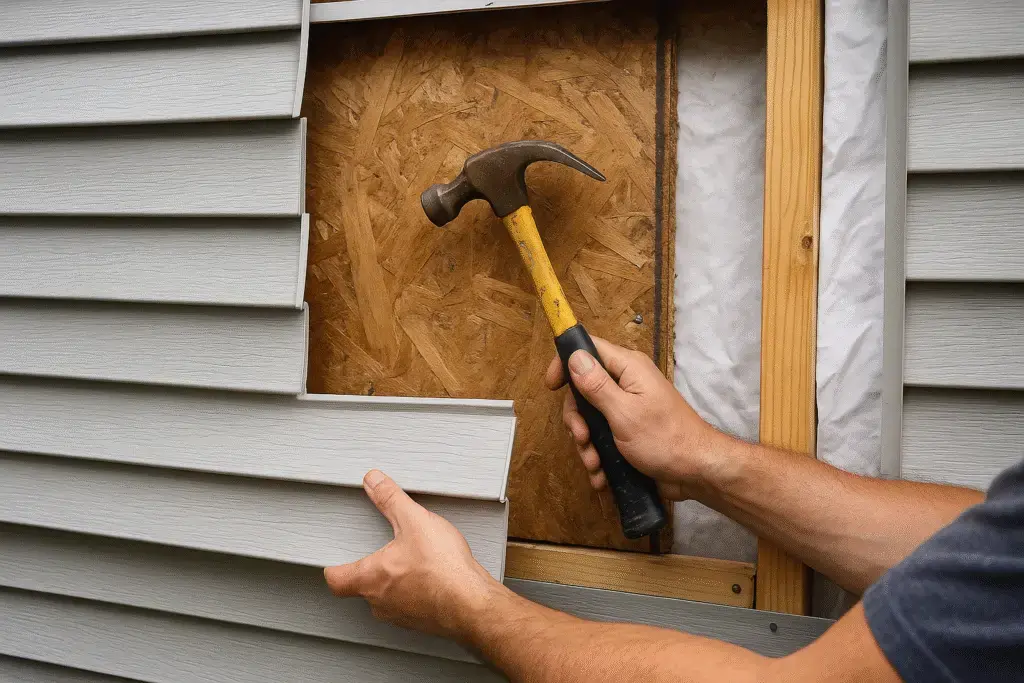
house-siding

What Types of Storm Doors Are Available?

Storm doors come in a few main styles. Each one handles ventilation, visibility, and protection a little differently. Here's what you're choosing between.
 
Full-View Storm Doors
Full-view doors are all glass from top to bottom. You get maximum natural light and a clear view of your front yard or entryway. A lot of people like these because they show off a nice main door or let you see who's outside without opening anything.
 
Most full-view models let you swap the glass panel out for a screen panel when the weather warms up. That means you can open your main door and let air flow through the screen while the storm door keeps bugs out. The trade-off is that you have to remove the glass panel and store it somewhere, then reinstall it when fall comes around.
 
The catch: full-view glass doors trap the most heat if your entry gets direct sun. The whole panel is glass, so there's nowhere for that heat to escape. If you're set on a full-view door and your entry faces south or west, look for Low-E glass. It has a microscopic coating that reflects heat instead of absorbing it. That won't solve the problem completely, but it helps.
 
Best for:
Icon-Nov-23-2025-06-35-10-8273-AM
Entries with limited sun exposure
Icon-Nov-23-2025-06-35-10-8273-AM
Showcasing a decorative main door
Icon-Nov-23-2025-06-35-10-8273-AM
Homeowners who don't mind swapping panels seasonally
03de09cd-49b4-42b2-a6cb-c23eef881dce

Ventilating Storm Doors

Ventilating doors have two separate panels—one glass, one screen—that slide up and down. You can adjust how much of each panel shows, which means you control how much airflow you get without removing anything.
 
In spring and fall, you might slide the glass panel up halfway and let the screen show at the bottom. In summer, you can slide the glass all the way up and get full-screen ventilation. In winter, the glass stays down and covers most or all of the door.
 
This setup is more flexible than full-view doors because you're not storing and swapping panels twice a year. The panels stay in the door frame, and you just adjust them as needed.
 
Best for:
Icon-Nov-23-2025-06-35-10-8273-AM
Year-round flexibility
Icon-Nov-23-2025-06-35-10-8273-AM
Homeowners who don't want to remove and store panels
Icon-Nov-23-2025-06-35-10-8273-AM
Easy seasonal adjustments 
neopor_insulated_siding_lg

Retractable-Screen Storm Doors

Retractable-screen doors have a full glass panel that stays in place all the time. The screen is hidden in a cassette at the top of the door frame. When you want ventilation, you pull the screen down over the glass. When you don't need it, the screen rolls back up into the cassette and disappears.
 
This gives you a clean look year-round. No panel swapping, no visible screen when you don't want one. The screen mechanism is spring-loaded or uses a small roller system, so it's easy to pull down and retract.
 
The downside is that the screen itself is usually a bit flimsier than a fixed screen panel. It works fine for normal use, but it's not as durable as the heavy-duty mesh you'd find on a ventilating door. If you have pets or kids who tend to push on the screen, a fixed panel might hold up better.
 
Best for:
Icon-Nov-23-2025-06-35-10-8273-AM
Sleek, uncluttered look
Icon-Nov-23-2025-06-35-10-8273-AM
Easy seasonal adjustments without storing panels
Icon-Nov-23-2025-06-35-10-8273-AM
Homeowners prioritizing aesthetics
ChatGPT-Image-Aug-20-2025-09_12_57-PM-1024x683

Heavy-Duty and Security Storm Doors

Heavy-duty doors are built with thicker frames, reinforced corners, and tougher screen mesh. Some versions have impact-resistant glass and multi-point locking systems. These are designed for high-traffic entries, homes with large pets, or homeowners who want an extra layer of security.
 
The frames on these doors are usually steel or reinforced aluminum. The screen mesh is often a tighter weave or a heavier-gauge material that resists tears and dents. The hardware—hinges, locks, closers—is beefier too.
 
If you have a large dog that likes to push against the door when someone walks by, a heavy-duty screen will hold up better than a standard mesh panel. If security is a priority, look for models with a deadbolt or foot bolt in addition to the standard latch.
 
Best for:
Icon-Nov-23-2025-06-35-10-8273-AM
High-traffic entries
Icon-Nov-23-2025-06-35-10-8273-AM
Homes with large pets
Icon-Nov-23-2025-06-35-10-8273-AM
Security-conscious homeowners
Icon-Nov-23-2025-06-35-10-8273-AM
Durability over aesthetics
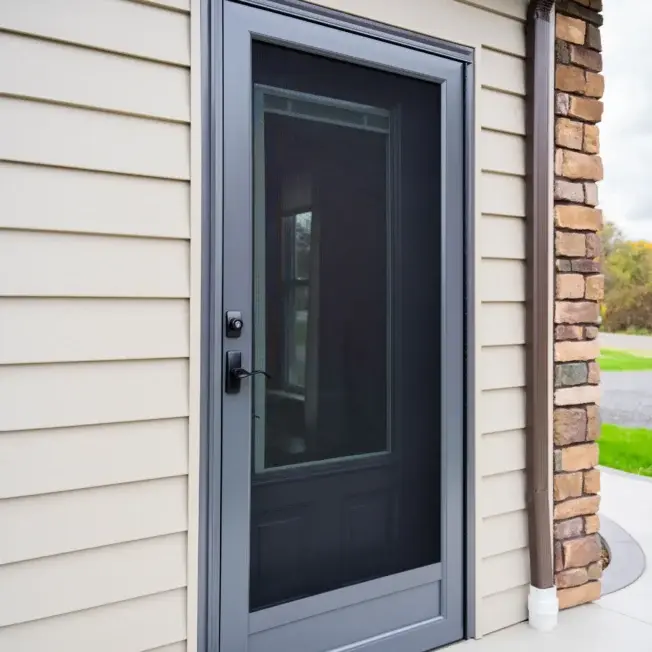
DuraGuard-096-Storm-Door-Nightfall.jpg-652x652

Decorator and Style-Forward Storm Doors

Some storm doors are designed to match specific architectural styles. These might have decorative glass patterns, custom hardware finishes, or color options that coordinate with trim and siding. They're still functional—most offer the same ventilation and protection as standard models—but they're meant to add curb appeal rather than blend into the background.
 
If your home has a specific style—Victorian, Craftsman, modern farmhouse—you can find storm doors with design details that fit. Decorative glass panels, for example, can echo the style of sidelights or transom windows around your entry.
 
Best for:
Icon-Nov-23-2025-06-35-10-8273-AM
Homeowners who want the storm door to enhance curb appeal
Icon-Nov-23-2025-06-35-10-8273-AM
Matching specific architectural styles
Icon-Nov-23-2025-06-35-10-8273-AM
Custom coordination with existing trim and siding
Rectangle 161125162-1

How Do Storm Doors Affect Comfort and Energy Use?

Storm doors reduce the amount of air that moves through your entryway. If your main door has gaps around the edges or a worn weatherstrip, the storm door acts as a second barrier that slows down drafts. That can make your entryway feel less cold in winter and keep conditioned air inside during summer.
 
 How much difference it makes depends on the condition of your main door. If your main door already seals well, adding a storm door won't change much. If your main door is older and has gaps, the storm door will help—but fixing the main door's seal would help even more. 
 

What Do Those NFRC Performance Ratings Mean?

If you're comparing storm doors with glass panels, you'll see a label from the National Fenestration Rating Council (NFRC). That label shows four main numbers. Here's what they mean in plain language:

U-factor tells you how well the door insulates. Lower numbers are better. A U-factor of 0.30 keeps more heat inside than 0.50 does. If you're dealing with cold winters, a lower U-factor makes a difference.

SHGC (Solar Heat Gain Coefficient) measures how much heat from the sun passes through the glass. Lower numbers mean less heat gets through. If your entry gets a lot of afternoon sun, a lower SHGC (around 0.25 or 0.30) will keep the space cooler. If your entry stays shaded most of the day, SHGC matters less.
Signet-Knotty-Alder--Ginger-Stain-1920w-1920w (1)
VT (Visible Transmittance) measures how much light comes through. Higher numbers mean more light. If you want a bright entryway, look for a VT above 0.50.
 
AL (Air Leakage) measures how much air leaks through the door when it's closed. Lower numbers mean a tighter seal. Most storm doors have an AL rating below 0.30, which is pretty good.
 

When Should You Skip a Storm Door?

If your entry gets several hours of direct sun—especially afternoon sun from the south or west—a storm door can cause problems. The glass panel traps heat between the storm door and your main door. That heat can reach 150 or 160 degrees on a hot summer day. Wood doors can warp. Painted or stained finishes can fade, blister, or peel. Weatherstripping can break down faster.
 
Low-E glass reduces the amount of heat that gets trapped, but it doesn't eliminate the risk. If your entry is in full sun for most of the day, you'll need to either vent the storm door during hot weather (by opening it or using a retractable screen) or consider skipping the storm door altogether.
a02eb902e365246982e11df563e6ee93ddc43615

What Fit and Hardware Details Actually Matter?

A storm door that doesn't fit right or has cheap hardware won't perform well. Here's what to pay attention to.
 
Sizing and mounting: The door has to fit squarely in the opening. If the frame is crooked or the door is too small for the space, you'll get gaps that let air through. Measure carefully, and make sure the door frame is square before you install. If the frame isn't square, shim it until it is.
 
Weathersealing: The door should have weatherstripping or a continuous seal along the sides and top. The bottom should have a sweep—a flexible strip that presses against the threshold when the door closes. If there are gaps, air will move through.
 
Door closer: The closer is the mechanism that pulls the door shut after you open it. It should close the door smoothly without slamming. Most closers have an adjustment screw that lets you control the speed.
 
Sweep adjustment: The sweep at the bottom of the door needs to press firmly against the threshold without dragging. Most sweeps have slots that let you adjust the height.
 
Locks and latches: The latch should engage easily when the door closes. Adjust the strike plate if needed. Some storm doors have a deadbolt or foot bolt for extra security.
Rectangle 161125162-1

How Do You Take Care of a Storm Door?

Storm doors don't need much maintenance, but a little attention once or twice a year keeps them working smoothly.
 
Clean the tracks and sills. Wipe with a damp cloth or use a brush to loosen debris. Ensure weeps are open so water drains.
 
Re-caulk the perimeter as needed. If you see cracks or gaps, scrape out old caulk and apply a fresh bead.
 
Inspect the sweep and weatherstripping. Replace cracked, torn, or compressed pieces so they seal properly.
 
Hot Weather Reminder: If your entry gets direct sun, open the storm door or use the screen to let heat escape.
 
Check the closer adjustment. Turn the screw a quarter-turn at a time until the door closes smoothly and latches.
1565f6d5de1329b3089906bd0014a4d851f42c15

Ready to Add a Storm Door or Upgrade Your Entry?

Storm doors add a layer of protection and give you seasonal ventilation options—but they're not the right fit for every entry. If your door gets heavy sun exposure, or if your main door is already in rough shape, you might be better off replacing the main door instead of adding a storm door on top of it.
 
We've helped over 10,000 homeowners improve their entryways. Whether you're looking at storm doors, entry door replacement, or just trying to figure out what makes sense for your situation, we'll walk you through your options.

Our process includes:

Icon-Nov-23-2025-06-35-10-8273-AM
Measuring your entry and checking sun exposure 
Icon-Nov-23-2025-06-35-10-8273-AM
Evaluating existing door condition 
Icon-Nov-23-2025-06-35-10-8273-AM
Explaining which storm door types work best for your setup 
Icon-Nov-23-2025-06-35-10-8273-AM
Discussing whether a different solution makes more sense 
Every installation is backed by our Lifetime Workmanship Warranty. We also include our Gold Standard Protection Plan on every project—timelines, cleanup, priority scheduling for follow-up, and a reachable project manager—and we’ve earned the BBB Torch Award for Ethics.

Recent Storm Door Projects

Canton ranch
Troy two-story
Toledo craftsman
Royal Oak Victorian
5

What Homeowners Are Saying

l1-3

ROFFING

A description of the resource being shared. Just a couple of sentences should be just right.

LEARN MORE
l2-3

SIDING

A description of the resource being shared. Just a couple of sentences should be just right.

LEARN MORE
l3-2

WINDOWS

A description of the resource being shared. Just a couple of sentences should be just right.

LEARN MORE
   01.

IMPORTANT TEXT

The heading and subheading tells us what you're offering, and the form heading closes the deal. 

   02.

IMPORTANT TEXT

The heading and subheading tells us what you're offering, and the form heading closes the deal. 

   03.

IMPORTANT TEXT

The heading and subheading tells us what you're offering, and the form heading closes the deal. 

section_1_image

Trusted for decades


Lorem Ipsum is simply dummy text of the printing and typesetting industry. Lorem Ipsum has been the industry's standard dummy text ever since the 1500sindustry's standard dummy text ever since the 1500s

GET A FREE ESTIMATE
Leading exterior home remodeling experts serving Ohio and Michigan with quality craftsmanship since [Year].Leading exterior home remodeling experts serving Ohio and Michigan with quality craftsmanship since [Year].
Toledo
2852 South Ave Toledo, OH 43609
(419) 495-8598
Farmington Hills
23941 Research Dr
Farmington Hills, MI 48335
(248) 290-6843
© 2025 Your Company Name. All rights reserved.