Skip to content
|
Special Promotion
Ultimate Discount
|
55% OFF
|
Special Promotion
Ultimate Discount
|
55% OFF
|
Special Promotion
Ultimate Discount
|
55% OFF
|
Special Promotion
Ultimate Discount
|
55% OFF
|
Special Promotion
Ultimate Discount
|
55% OFF
|
Special Promotion
Ultimate Discount
|
55% OFF

Flat Roof Materials for Homes

Flat roof materials for porches, additions, and low-slope sections—explained in plain language. Residential flat roof systems use membrane materials designed for areas where standard shingles don't drain properly. Flat roofing materials for homes handle water differently than pitched sections and require specific installation methods.
Employee-based installation teams. Lifetime Workmanship Warranty and Gold Standard Protection Plan included. 24-48 hour response on inquiries.
7213a650534e0ffb2099a03162eb8a24e9ec0f38 (3)-2

What Is a Flat Roof on a House?

"Flat" roof actually means low-slope. There's still pitch—just not enough for asphalt shingles to shed water reliably. Water sits longer on low-slope sections, which creates different drainage requirements.
Flat roofing for houses shows up on porches, covered entries, addition roofs, garage sections, and low-pitch areas on split-level or modern designs. These sections need membrane materials that handle standing water and seal at horizontal seams.
Shingles rely on gravity and overlap to move water downward. When pitch drops too low, water doesn't flow fast enough. Membranes spread across the surface and seal at edges.

Where you see residential flat roof systems:

Icon-Nov-23-2025-06-35-10-8273-AM
Porches and covered entries
Icon-Nov-23-2025-06-35-10-8273-AM
Garage roofs and home additions
Icon-Nov-23-2025-06-35-10-8273-AM
Low-slope sections on modern architecture
Icon-Nov-23-2025-06-35-10-8273-AM
Areas where water pools after rain
Why flat roof materials work differently:
Icon-Nov-23-2025-06-35-10-8273-AM
Membranes create continuous waterproof coverage instead of overlapping pieces. Seams get heat-welded or adhesive-sealed. Drainage happens through planned slopes and edge details rather than shingle coursing.

Where Do Flat Roofs Show Up on Homes?
b1d48ec04a63fc1451fa284c49307c22cfc6d350-1

Porches & Covered Entries

Front porches and covered entry areas often have low slope roof materials because the structure sits lower than the main roof. These sections need membrane coverage that handles slower drainage and occasional ponding. EPDM and TPO both work well here.

b1d48ec04a63fc1451fa284c49307c22cfc6d350-1

Garage & Addition Roofs

Attached garages and home additions frequently get built with flatter pitch than the main house. Flat roof options for porches and additions include single-ply membranes that cover the full surface and seal at transitions. These areas handle water exposure differently than sloped sections above.

b1d48ec04a63fc1451fa284c49307c22cfc6d350-1

Low-Slope Sections on Modern Designs

Contemporary and split-level homes sometimes incorporate residential low-slope roofing as an architectural feature. These sections need membrane systems that perform through freeze-thaw cycles and temperature swings without relying on steep pitch for drainage.

What Flat Roof Membrane Types Do We Install?

b1d48ec04a63fc1451fa284c49307c22cfc6d350-1

EPDM Flat Roof for Homes

EPDM flat roof for homes means rubber-like membrane material. Black surface, flexible construction, handles temperature movement. Seams get adhesive-bonded or mechanically fastened. Common on residential low-slope sections for over 40 years.
Technical composition: Synthetic rubber (ethylene propylene diene monomer). Comes in rolls that get laid across roof decking with seams sealed to create continuous coverage.
Where it works: Porches, garage roofs, additions where dark surface color fits the design. Handles freeze-thaw cycles in Michigan and Ohio climates.

b1d48ec04a63fc1451fa284c49307c22cfc6d350-1

TPO Flat Roof Materials

TPO flat roof materials feature light-colored membrane (usually white or light gray). Single-ply thermoplastic that reflects sun rather than absorbing heat. Seams get heat-welded together for watertight connections.
Technical composition: Thermoplastic polyolefin. Factory-manufactured in consistent thickness, typically 45-80 mils for residential applications.
Where it works: Any flat roof membrane options where energy efficiency matters. Light color reduces heat absorption on sections with living space below. Works on porches, additions, garage roofs.

b1d48ec04a63fc1451fa284c49307c22cfc6d350-1

Modified Bitumen Flat Roof

Modified bitumen flat roof uses asphalt-based rolls designed specifically for low-slope applications. Applied with heat or adhesive. Multiple layers create redundancy. Asphalt composition means dark surface similar to standard shingles.
Technical composition: Asphalt modified with rubber or plastic polymers for flexibility. Reinforced with fiberglass or polyester mat.
Where it works: Budget-conscious projects on garage roofs or additions. Shorter expected lifespan than EPDM or TPO but lower material cost. Membrane materials typically provide longer service life than modified bitumen systems.
7213a650534e0ffb2099a03162eb8a24e9ec0f38 (3)-2

How Do Flat Roof Materials Compare to Asphalt and Metal?

Flat Roof Membrane Materials
Best for: Low-slope sections where pitch won't move water fast enough for shingles.
Technical requirement: Applied to sections with minimal pitch; creates continuous waterproof layer across full surface.
Drainage method: Planned slopes to edge drains or scuppers; membranes handle standing water better than shingled systems.
Expected performance: EPDM and TPO typically 15-25 years on residential applications when installed correctly.


Asphalt Shingle Roofing
Best for: Standard pitched sections on main roof areas.
Technical requirement: Needs adequate slope (minimum 2:12 pitch, though 4:12+ performs better); relies on shingle overlap and gravity to shed water.
Not appropriate for: Low-slope sections where water moves slowly or pools—shingles will leak at nail penetrations and seams when water sits.


Metal Roofing
Best for: Pitched sections; some metal systems handle lower slopes than shingles but still need pitch for drainage.
Technical note: Standing seam metal can work on slightly lower slopes than shingles but isn't typically used on true flat/low-slope residential sections. Most metal residential applications target main roof areas.

7213a650534e0ffb2099a03162eb8a24e9ec0f38 (3)-2

What Affects Flat Roof Material Cost?
Icon-Nov-23-2025-06-35-10-8273-AM
Size and configuration → Larger flat sections cost more in materials and labor. Complex shapes with multiple penetrations increase installation time.
Icon-Nov-23-2025-06-35-10-8273-AM
Material type selectedEPDM typically costs less than TPO per square foot. Modified bitumen sits at lower end of material cost range but shorter lifespan.
Icon-Nov-23-2025-06-35-10-8273-AM
Number of seams and penetrations → Vents, skylights, chimneys require flashing details. Each penetration adds labor time for proper sealing.
Icon-Nov-23-2025-06-35-10-8273-AM
Existing roof condition → Saturated insulation, soft decking, or structural issues require correction before new membrane installation. Ponding areas may need drainage improvements.
Icon-Nov-23-2025-06-35-10-8273-AM
Edge details and transitions → Flat sections connect to vertical walls, pitched roof areas, and fascia edges. Each transition point needs flashing and sealing work.

How Does Flat Roofing Fit Into the Replacement Process?

Inspection

We examine flat sections for ponding, penetration leaks, and membrane condition. Check decking and insulation underneath for saturation or damage.

Material Recommendations

Based on roof size, existing condition, and budget, we recommend EPDM, TPO, or modified bitumen with explanation of performance differences.

Estimate & Options

Detailed proposal covers material specs, edge details, flashing work, and any drainage improvements needed to prevent ponding.

Installation & Walkthrough

Membrane installation follows manufacturer specs. Final inspection covers seam integrity, flashing details, and drainage function. Warranty documentation provided.

Recent Flat Roofing Projects

1

Farmhouse with stone-coated metal in terra cotta. Energy-efficient roof materials to reduce summer cooling costs.

2
3
4
5
6
7

What Homeowners Say

We had siding replaced on one of our rental properties and were impressed by how quickly and professionally it was done. Tenants are happy and the building looks great.

David Thompson

We had siding replaced on one of our rental properties and were impressed by how quickly and professionally it was done. Tenants are happy and the building looks great.

David Thompson

We had siding replaced on one of our rental properties and were impressed by how quickly and professionally it was done. Tenants are happy and the building looks great.

David Thompson

We had siding replaced on one of our rental properties and were impressed by how quickly and professionally it was done. Tenants are happy and the building looks great.

David Thompson

We had siding replaced on one of our rental properties and were impressed by how quickly and professionally it was done. Tenants are happy and the building looks great.

David Thompson

Not Sure Which Flat Roof Material You Need?
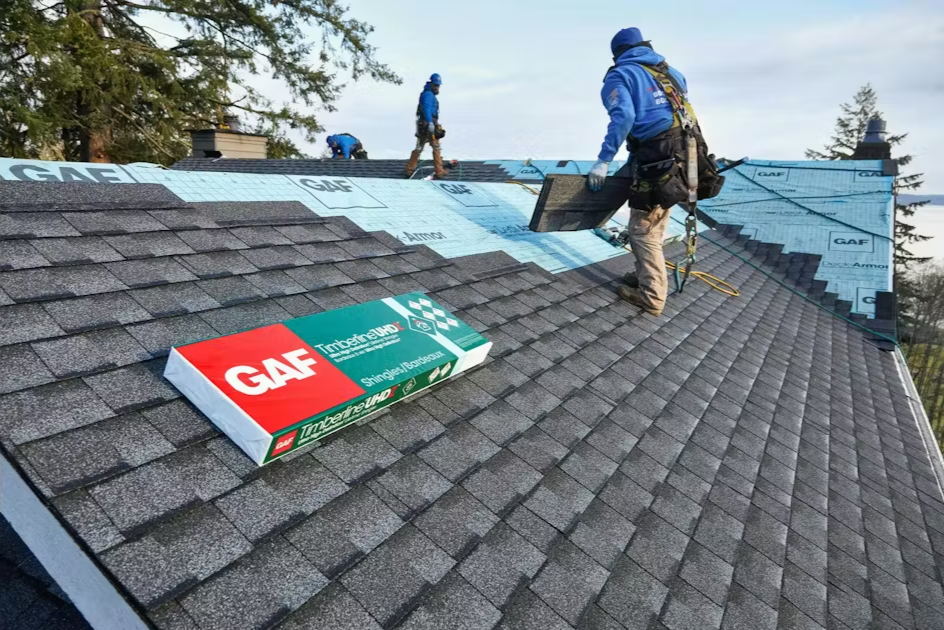
We'll explain flat roof materials options based on your roof layout, budget, and how long you plan to stay in the home. EPDM, TPO, and modified bitumen each handle residential flat roof systems differently. Lifetime Workmanship Warranty and Gold Standard Protection Plan included with every installation. Over 10,000 customers completed. BBB Torch Award for Ethics recipient. Over 25 years in Ohio, 3 years in Michigan.
section_1_image
Leading exterior home remodeling experts serving Ohio and Michigan with quality craftsmanship since [Year].Leading exterior home remodeling experts serving Ohio and Michigan with quality craftsmanship since [Year].
Toledo
2852 South Ave Toledo, OH 43609
(419) 495-8598
Farmington Hills
23941 Research Dr
Farmington Hills, MI 48335
(248) 290-6843
© 2025 Your Company Name. All rights reserved.