EPDM Flat Roof Materials for Homes
What Is EPDM Flat Roofing for Homes?
On houses, rubber flat roof for homes gets used where shingles don't drain properly or where the pitch is too low for standard roofing methods. Porches, covered entries, garage roofs, and additions commonly have these low-slope sections. The single-ply EPDM roof membrane creates a sheet barrier instead of relying on overlapping pieces like shingles do. When water sits on the surface temporarily during heavy rain, the rubber stays intact without the leaking you'd see with improperly pitched shingle installations.
Where EPDM works best:
Where Does EPDM Fit on a House?
Porches & Covered Entries
Low-slope porch roofs sit flatter than your main roof, which means water doesn't run off as quickly. Shingles rely on gravity to shed water fast—when the pitch is too low, moisture works its way under the overlaps and causes leaks. Rubber roofing for porches and additions creates a sealed surface where water can sit temporarily without penetrating. The material also handles railings, posts, and architectural details better because you're sealing around them with continuous membrane rather than cutting and overlapping individual shingles.
Garage & Addition Roofs
Garages and additions often get built with lower pitch than the main house roof—sometimes because of ceiling height limits, sometimes to keep construction costs down. EPDM roofing for houses makes sense in these spots, especially when the section isn't highly visible from the street. The material performs reliably and costs less than some alternatives. Since it's rubber, it won't rot like wood or rust like metal, and you're not repainting every few years.
Low-Slope Sections on Modern & Split-Level Homes
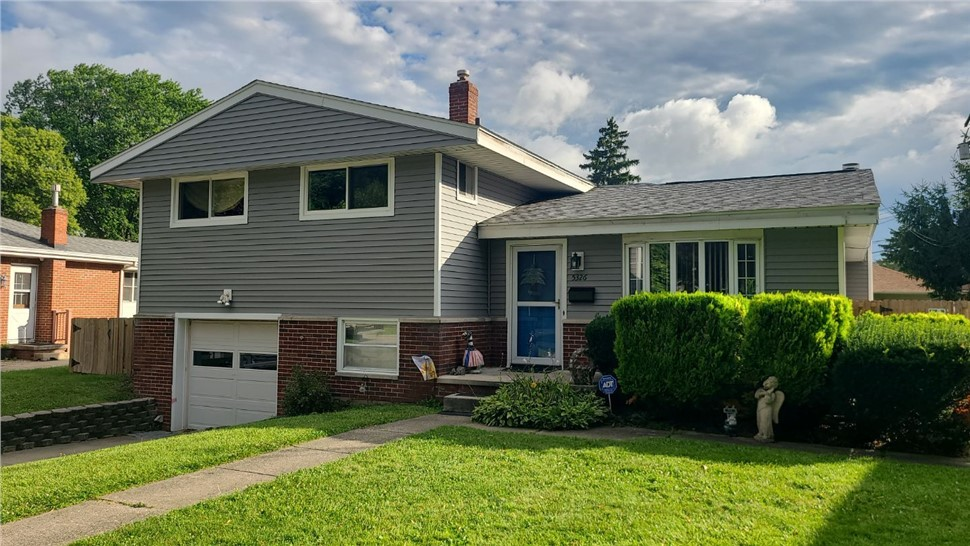
Some modern home designs and split-level builds intentionally create low-slope planes for aesthetic reasons. These sections need membrane materials that tolerate the shallow pitch. Low slope EPDM roofing works here, but drainage planning matters—you'll need slight slope built in with tapered insulation or proper scuppers and drains. Without that, even durable membranes will fail early because constant standing water degrades seams and fasteners over time.
How Does EPDM Compare to TPO and Modified Bitumen?
EPDM
Synthetic rubber, usually black, with a long performance history on flat roofs. The main difference between EPDM and TPO? Color and how seams get joined. EPDM uses adhesive or tape; TPO gets heat-welded.
Pros: Cost-effective among single-ply systems. Good flexibility handles temperature changes. Proven durability in various climates.
Watch-outs: Dark surface absorbs more heat unless you choose lighter EPDM formulations. Shows dirt and debris more than light-colored membranes.
TPO
Thermoplastic membrane, typically white or light gray. Seams get heat-welded together, creating stronger bonds than adhesive systems. Reflects more sun than dark EPDM, which can matter when the flat section sits above living space.
Best for: Situations where reflectivity and energy efficiency matter. Heat-welded seams when done correctly resist leaks better than adhesive bonds.
Modified Bitumen
Asphalt-based roll system applied in multiple layers. Shorter expected service life than single-ply membranes—typically 12-15 years vs 20-25 for EPDM. Lower upfront material cost.
Best for: Budget-driven projects. Garages and outbuildings where longevity matters less. Situations where you'll replace the roof again in 10-15 years anyway.
Why Hire Integrity for EPDM Flat Roofing?
We handle residential EPDM roofing on porches, additions, garages, and low-slope sections—not just large commercial buildings. The difference matters because residential flat roofing involves more transitions: where the flat section meets walls, where it ties into pitched roofing, around railings and posts on porches. These details require careful flashing and sealing. Poor execution at transitions is where most flat roof leaks start.
Substrate preparation determines how long the membrane lasts. If the decking underneath is soft, rotted, or uneven, the EPDM will fail early no matter how good the material is. We inspect the substrate during estimates and flag problems before installation. Drainage planning also matters—even rubber membranes need some path for water to move off the surface. That might mean slight slope built with tapered insulation, properly sized scuppers, or drains positioned correctly.
What you get:
How Does EPDM Flat Roof Installation Work?
Inspection & Measurement
We check the slope, look for areas where water pools, inspect what's underneath the old membrane, and document how the flat section connects to walls and pitched roofing. Photos capture existing problems—soft decking, failed flashing, drainage issues.
Material Recommendation
We'll explain when EPDM flat roof materials make more sense than TPO or modified bitumen. That depends on your roof's shape, how much sun it gets, whether you see it from the street, and what you're comfortable spending. No pressure to choose the most expensive option—we walk through pros and cons of each.
Estimate & Options
You receive a breakdown covering membrane choice, any substrate repairs needed, flashing details at walls and transitions, and drainage improvements if required. Timeline estimates included. Financing available.
Installation
Walkthrough & Next Steps
Final inspection together. We explain basic homeowner maintenance: keep drains and roof corners clear of debris, check after major storms, avoid walking on the membrane unnecessarily. Warranty documentation provided before we leave.
What Affects EPDM Flat Roof Cost?
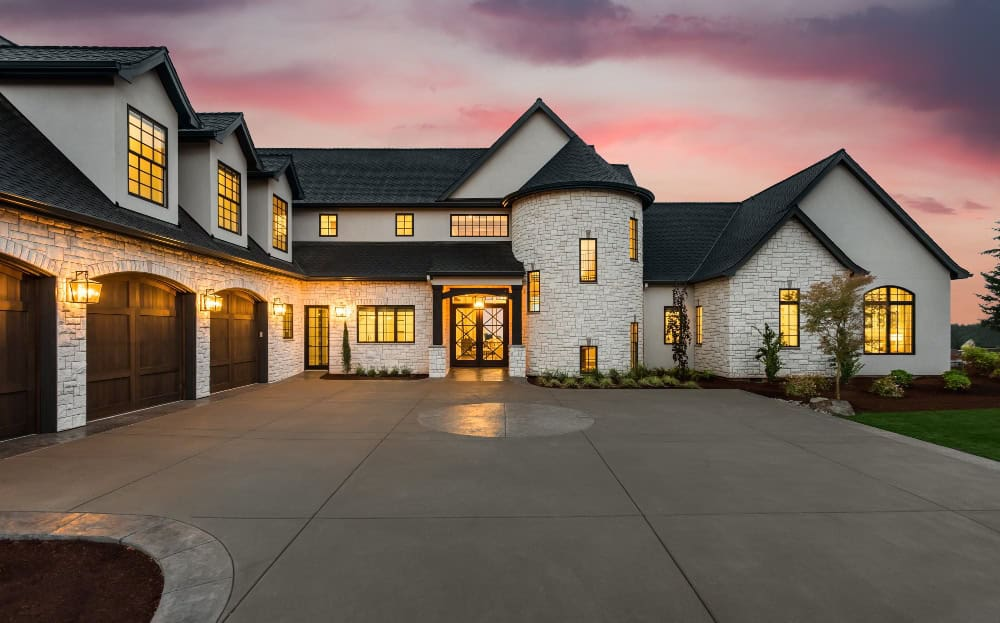
Recent EPDM Flat Roof Projects
What Homeowners Say
David Thompson
David Thompson
David Thompson
David Thompson
David Thompson
Not Sure If EPDM Is Right for Your Flat Roof?
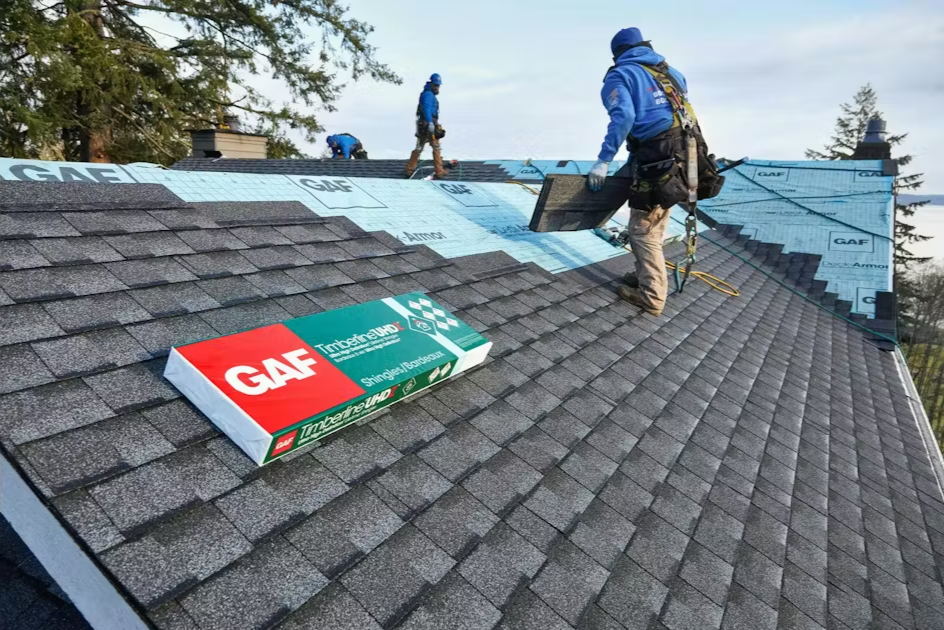
Every installation includes Lifetime Workmanship Warranty and Gold Standard Protection Plan. Our crews are employees, not subcontractors—same team throughout your project. Over 10,000 customers have completed projects with us. We're BBB Torch Award for Ethics recipients.