Siding Styles
& Profiles
Overview / What This Page Covers
Your home's exterior style starts with the profile you choose. Horizontal lap creates those classic clean lines you see on most homes. Vertical board & batten adds contrast and makes things feel taller. Shake accents bring texture to the upper parts of your home—gables and dormers—without going overboard. Each profile changes how light hits your walls and how your home looks from the street.
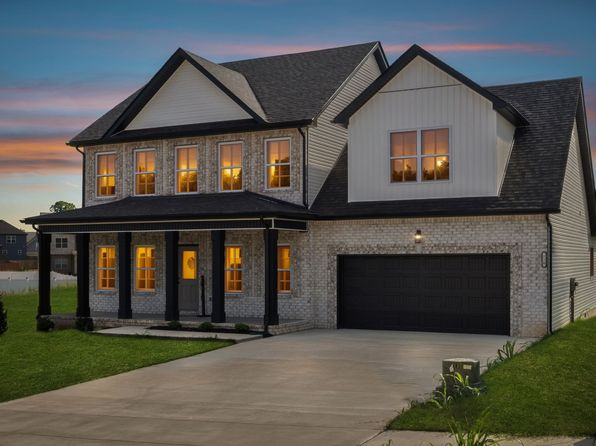
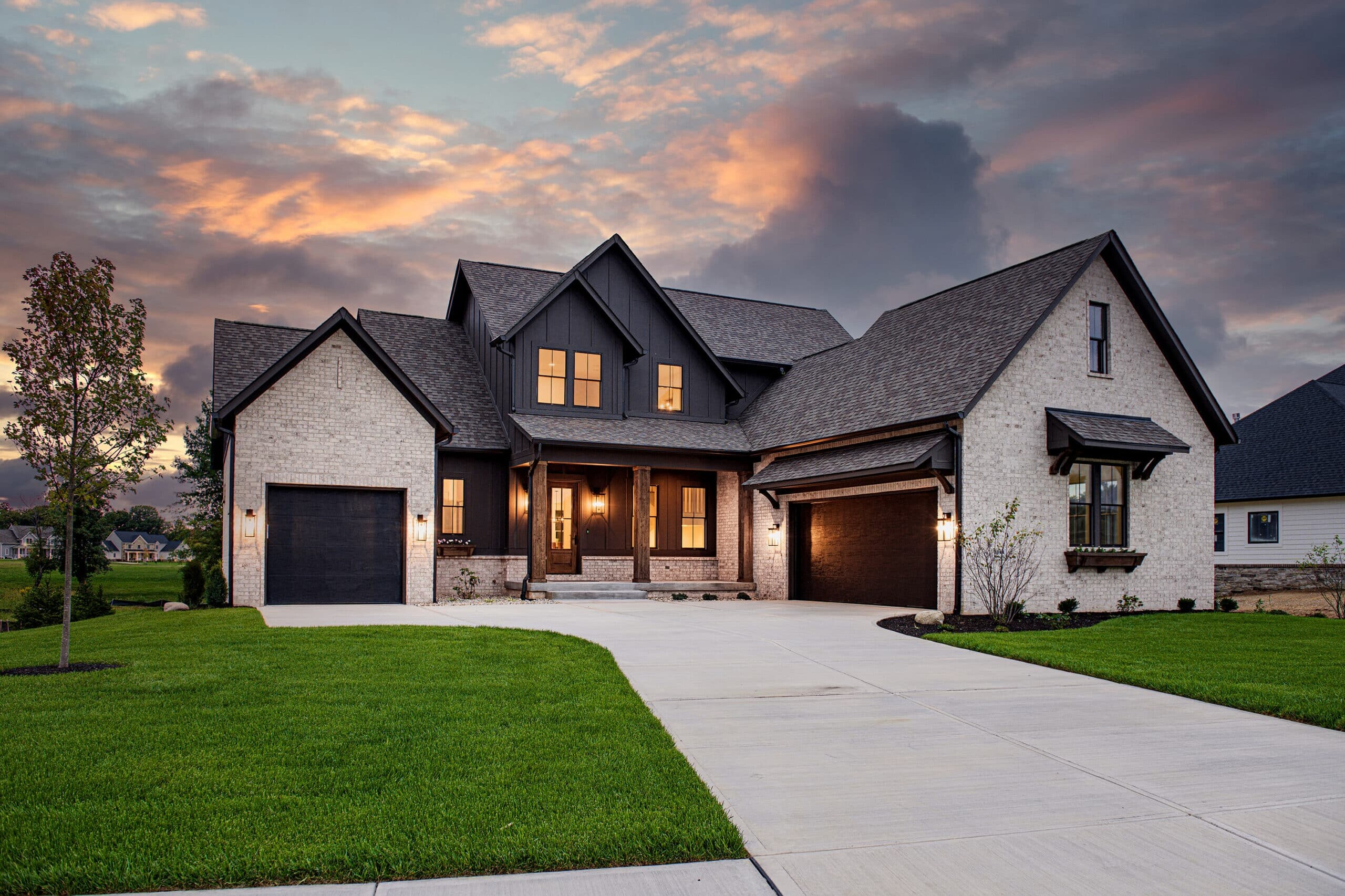
The best exterior designs mix profiles for dimension. Picture lap siding running across your main walls, then board & batten or shakes on the upper sections. Add the right trim color to outline everything and you've just made your home's features stand out cleanly.
Here's what you need to know about siding profiles:
Lap Siding (Horizontal)
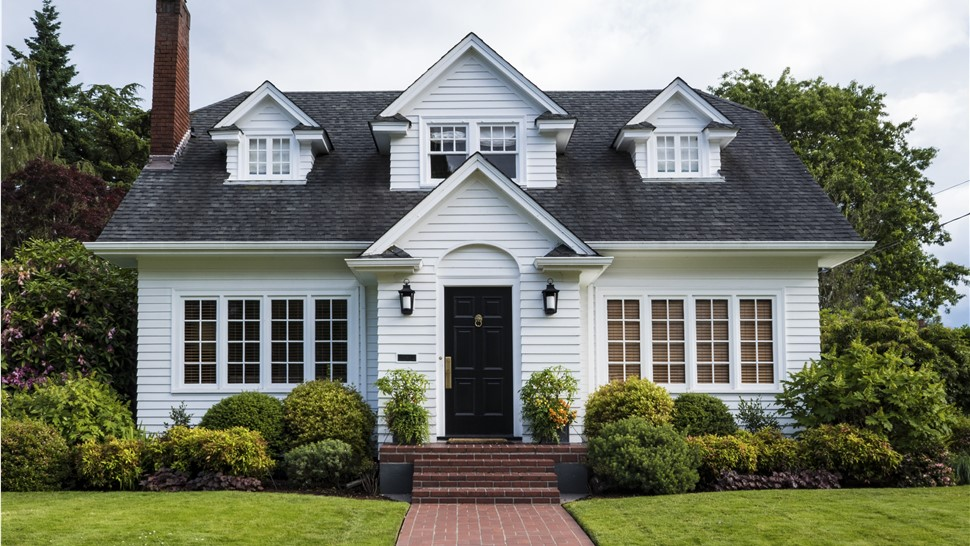
Horizontal lap is the standard you see everywhere, and there's a reason for that. It's overlapping planks that create clean horizontal lines across your walls. Works on ranch homes, colonials, craftsman styles—pretty much any residential style that isn't deliberately going for a vertical look.
Two Main Lap Styles
Traditional lap is flat with a straight bottom edge. Clean and understated. Dutch lap has a decorative groove cut into the top edge of each plank. That groove creates a deeper shadow line, which gives you a bit more visual interest.
Plank Spacing (Reveal Width)
Narrow reveals (around 4 inches) give you more lines running across the wall, more rhythm, a tighter traditional look. Wide reveals (6 inches or more) create a calmer look with fewer seams showing—reads more modern and clean.
Where Lap Works Best
Main wall fields where you want a consistent look. Then add board & batten or shakes on gables, around your entry, or on bump-outs to create contrast.
Board & Batten (Vertical)
Board & batten runs vertical instead of horizontal—wide boards with narrow battens covering the seams. It emphasizes height and introduces contrast when paired with horizontal lap.
Two Ways People Use It
Full walls on modern farmhouse or contemporary styles, or strategic accents on gables, entry walls, garage faces, or bump-outs.
What It Does Visually
Vertical lines pull the eye upward. Pair board & batten accents with horizontal lap on main walls to create dimension without adding materials—just change the profile in specific spots.
Shake & Shingle Accents
Shake profiles mimic the look of cedar shingles but without the maintenance headaches. Available in straight-edge or staggered styles, they add texture and shadow on upper stories, dormers, and gables.
Two Shake Styles
Straight-edge shakes line up evenly for a cleaner look. Staggered shakes have an irregular bottom edge for a more rustic feel.
Scallops (Half-Round Decorative Accents)
Curved, half-round profiles you’ll see in gables or above entryways. Best as focal accents when the architecture supports ornamentation.
How to Use Shakes Without Overdoing It
Mix shakes with lap—shakes on gables, lap on main walls—for lasting visual interest. Full-home shake coverage can feel busy unless you’re aiming for a rustic aesthetic.
Color Strategies
Darker shake accents on lighter lap walls create depth; a monochromatic approach relies on texture changes instead of contrast.
Texture, Spacing & Trim
Surface Texture Options
Smooth vinyl reads modern and is easy to maintain. Wood-grain emboss adds natural-looking shadow and hides minor imperfections. Both hold up under modern UV-resistant formulations.
Plank Spacing (Reveal Width)
Narrow spacing (~4") creates more rhythm; wide spacing (6"+) reads calmer. Choose based on your architecture and neighborhood.
Trim and Edge Details
Trim outlines features and covers transitions. Color-contrast trim makes architecture pop; monochromatic trim creates a seamless look. Quality installation at edges and transitions prevents gaps and misalignment.
Explore Our Latest Projects
What Homeowners Are Saying
Plan Your Siding Style