Vinyl Siding
What Vinyl Siding Is
Profiles & Panel Design
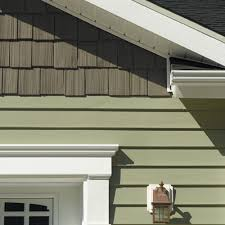
LAP SIDING
Runs horizontally and mimics traditional wood clapboard. The most common profile that works on nearly any architectural style. Available in various widths and textures.
Board & batten
Shake profiles
Color selection
Performance & Wind Ratings
Vinyl siding gets tested for wind strength and impact resistance. Products are rated for different wind speeds based on where you live. Coastal areas need higher ratings than inland locations.
What affects durability:
Insulated Vinyl Siding
Benefits of insulated vinyl:
Color, Fade & Maintenance
Simple maintenance:
Dark colors: These absorb more heat and expand more in summer. Some come with special warranty rules or need extra spacing during installation.
Where Vinyl Works Best
Good Climate Match — Vinyl handles freeze‑thaw cycles, humidity, and big temperature swings without problems. It doesn't soak up water, so it won't rot or grow mold like wood can.
Needs Good Prep — Your home's walls need to be solid and flat before vinyl goes on. The siding doesn't add strength—it just covers and protects what's already there. Water barriers and proper flashing matter more than the siding choice.
What It Can't Do — Vinyl can crack if you hit it hard in very cold weather; very dark colors might warp if installed too tight; you can't hang heavy things directly on vinyl panels—mount to framing behind the siding.
Explore Our Latest Projects
What Homeowners Are Saying
Ready to Get Started?