|
Special Promotion
Ultimate Discount
|
55% OFF
|
Special Promotion
Ultimate Discount
|
55% OFF
|
Special Promotion
Ultimate Discount
|
55% OFF
|
Special Promotion
Ultimate Discount
|
55% OFF
|
Special Promotion
Ultimate Discount
|
55% OFF
|
Special Promotion
Ultimate Discount
|
55% OFF
Horizontal Lap Siding
Classic horizontal lines meet modern vinyl performance—clean, timeless, and built to last.
Overview / What This Page Covers
Lap siding has been the go-to choice for American homes for centuries, and there's a reason it never goes out of style. The horizontal lines are clean, the profile is versatile, and it works on everything from a 1920s colonial to a brand-new ranch. If you're looking at siding options and want something that looks sharp without being trendy, lap siding is worth understanding.
This page walks through the style side of horizontal lap siding—what it is, how different profiles create different looks, and how choices like reveal width and texture change what you see from the street. We're not getting into installation or pricing here. This is about planning your home's appearance and understanding what's possible with vinyl lap profiles.
Here's what you'll learn:
The basics of horizontal lap siding and why it fits so many architectural styles, from ranches to colonials to contemporary builds
How traditional lap and Dutch lap profiles differ—one gives you clean, flat lines while the other adds shadow depth through a concave notch
Reveal width decisions that change visual rhythm: narrow spacing (4–5 inches) creates more horizontal lines; wide spacing (6+inches) delivers a calmer, modern look
Texture and color combinations that affect how your siding reads from the street,
including when smooth finish works better than wood grain
Strategic trim choices—contrast versus monochrome approaches and how each changes your home's appearance
Where lap siding works best on your walls and when mixing profiles (like adding board & batten on gables) creates better dimension
What is lap siding?
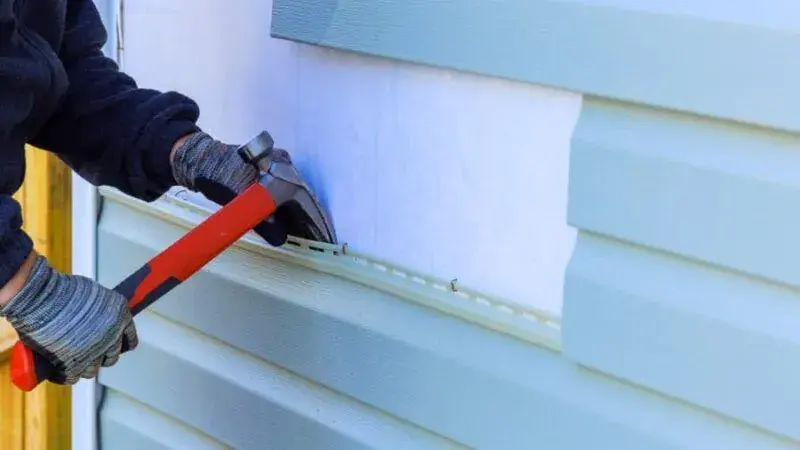
Lap siding is horizontal siding where each board overlaps the one below it. The way it works is simple: each plank sits on top of the next, water runs off naturally, and you get shadow lines that add a little depth to the wall. It's been around since the 1600s when builders started cutting wood into thin planks instead of using whole logs for walls. Fewer trees, faster builds, same weather protection.
These days, most lap siding is vinyl. Instead of individual wood boards that need painting and maintenance, you're looking at panels shaped to recreate that classic plank appearance.
The panels are larger, installation is more straightforward, and you get the same look without the upkeep.
Lap siding fits a lot of architectural styles:
Ranch homes – clean horizontal lines complement low-profile rooflines
Colonials – traditional aesthetic that's been standard for centuries
Craftsman builds – pairs well with exposed rafters and decorative brackets
Contemporary designs – neutral enough to let other features take focus
In Canton and Ann Arbor, you'll see it on newer builds. In Toledo's older neighborhoods, it's been there for decades, just updated with vinyl instead of wood.
What is the difference between Dutch lap and traditional lap siding?
Both are horizontal lap styles. Both overlap. The difference is in the profile—the shape of
each board. That shape creates different shadow effects, and shadow is what separates one from the other when you're standing on the street looking at the house.
Traditional lap siding
Flat face; clean, straight lines; subtle overlap shadow
Classic, understated, timeless
Pairs easily with most architectural styles
Most common lap profile in the U.S.
Dutch lap siding
Concave notch along the top edge creates a stronger, continuous shadow line
Adds depth and dimension; appearance shifts as light changes
Fits Colonial/Victorian/Greek Revival; also works on modern builds for extra character
Which lap siding style is better?
Neither. It depends on the look you want. Traditional = subtle, clean lines. Dutch lap = more texture and shadow. Performance is the same; the choice is aesthetic.
What is lap siding reveal?
Reveal is the exposed portion of each board that's visible after installation. When boards overlap, part of each one is hidden underneath the board above it. The part you see—that's the reveal, sometimes called the exposure width.
Narrow reveal lap siding (4–5 inches)
More horizontal lines → more visual rhythm and movement
Fits traditional aesthetics; common on early 1900s clapboard homes
Good for larger colonials or two-story homes with big wall sections
Wide reveal lap siding (6+ inches)
Fewer horizontal lines → calmer, cleaner look
Reads modern; common on newer builds
Less visual 'noise' competing with windows and trim
Short version: Narrow ≈4–5" = more rhythm (traditional). Wide ≈6"+ = calmer (modern).
Lap siding texture and color options
Profile and reveal determine structure. Texture and color determine how it reads from the street.
Smooth vs wood grain texture
Smooth finish reflects light evenly and reads contemporary. Wood-grain emboss adds warmth and shadow like traditional wood. Choose based on home style and desired texture.
Lap siding colors that work
Light colors — reflect heat; make a house feel larger; easy to pair
Dark colors — dramatic; show shadows more (especially on Dutch lap)
Neutrals — age well; easy to live with
Bold colors — striking on Victorian/cottage styles with decorative trim
Trim strategies for lap siding
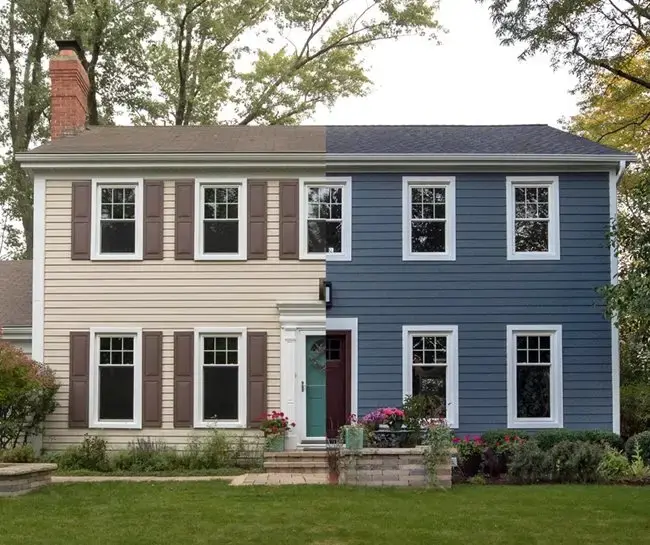
Contrast trim (e.g., white on gray) — defines edges and makes features pop
Monochrome trim — unified, modern look; emphasis on profile/reveal
Near-tone trim — subtle definition without stark contrast
Corners, window/door frames, fascia — coordinate and cover transitions cleanly
Where should you use lap siding on your home?
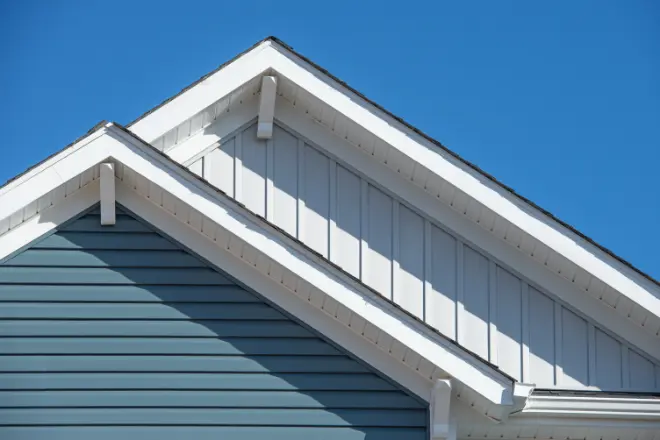
Lap siding shines on large, uninterrupted wall sections. Mix profiles for dimension—lap as the foundation with board & batten on gables or shakes on dormers/upper stories.
Trim strategies for lap siding
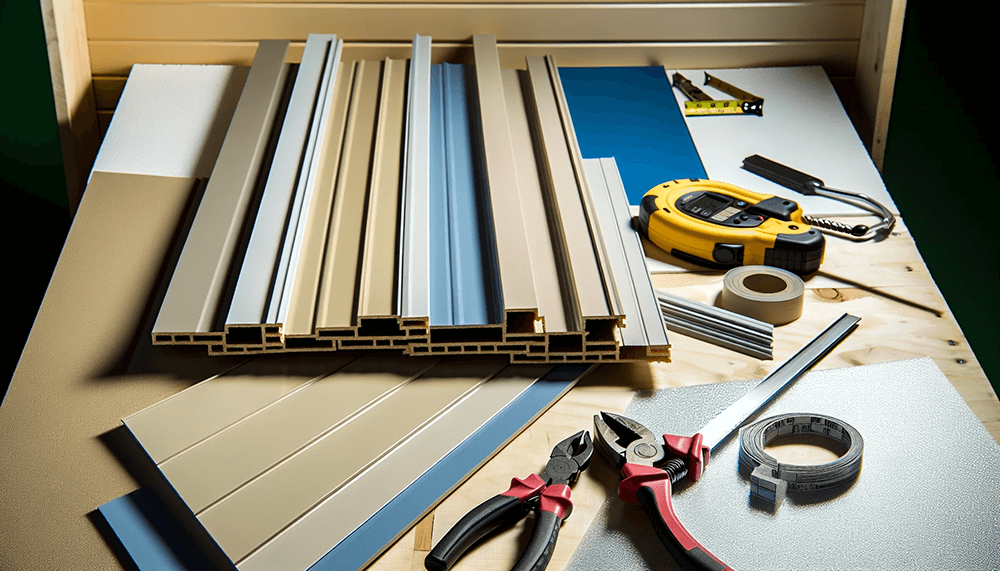
Ranch example: wide-reveal lap on body + board & batten on front gable
Colonial example: Dutch lap on first floor + shakes on dormers for texture
What our customers say
Leading exterior home remodeling experts serving Ohio and Michigan with quality craftsmanship since [Year].Leading exterior home remodeling experts serving Ohio and Michigan with quality craftsmanship since [Year].
Toledo
2852 South Ave Toledo, OH 43609
(419) 495-8598
Farmington Hills
23941 Research Dr
Farmington Hills, MI 48335
(248) 290-6843
© 2025 Your Company Name. All rights reserved.